



Introduction
In 2026, UI/UX design plays a major role in how users interact with websites. A visually appealing interface is not enough—websites must also be easy to use, fast, and intuitive. Good UI/UX design directly impacts user satisfaction and conversion rates.
Simple and Clean Design Wins
A clutter-free design helps users focus on what matters. Overloaded layouts often confuse visitors and reduce engagement.
Best practices include:
- Minimalist layouts
- Clear spacing
- Consistent design elements
- Easy-to-read typography
Mobile-First UX Is Essential
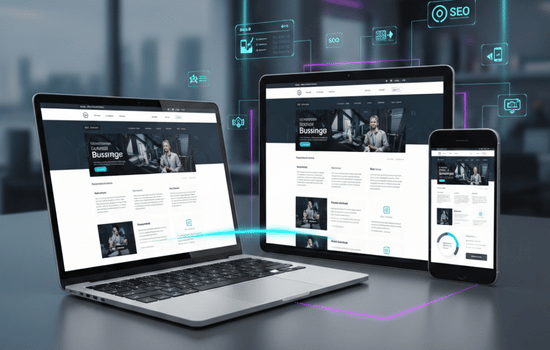
Most users now browse websites on mobile devices. Designing for mobile first ensures a smoother experience across all screen sizes.
Key mobile UX elements:
- Touch-friendly buttons
- Responsive layouts
- Fast loading pages
- Easy navigation menus
Clear Navigation Improves User Flow
Users should be able to find information quickly without confusion. Poor navigation leads to higher bounce rates.
Good navigation includes:
- Simple menu structure
- Logical page hierarchy
- Search functionality
- Clear labels
Fast Loading Experience Matters
Users expect websites to load within seconds. Slow websites reduce engagement and conversions.
To improve speed:
- Optimize images
- Reduce unnecessary scripts
- Use caching techniques
- Choose reliable hosting
Strong Call-to-Actions Increase Conversions
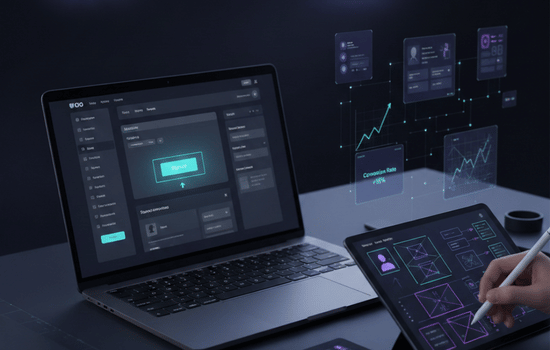
Effective UI/UX guides users toward actions like contacting, signing up, or purchasing.
Best CTA practices:
- Use clear action words
- Place CTAs strategically
- Use contrasting colors
- Keep them visually noticeable
Final Thoughts
UI/UX best practices in 2026 focus on simplicity, speed, and user-centered design. A well-designed interface improves engagement, builds trust, and increases conversions.
At Dizi Solutions, we design modern UI/UX experiences that help businesses grow online.
 More Insights

